
Ottawa Roads as a Workplace
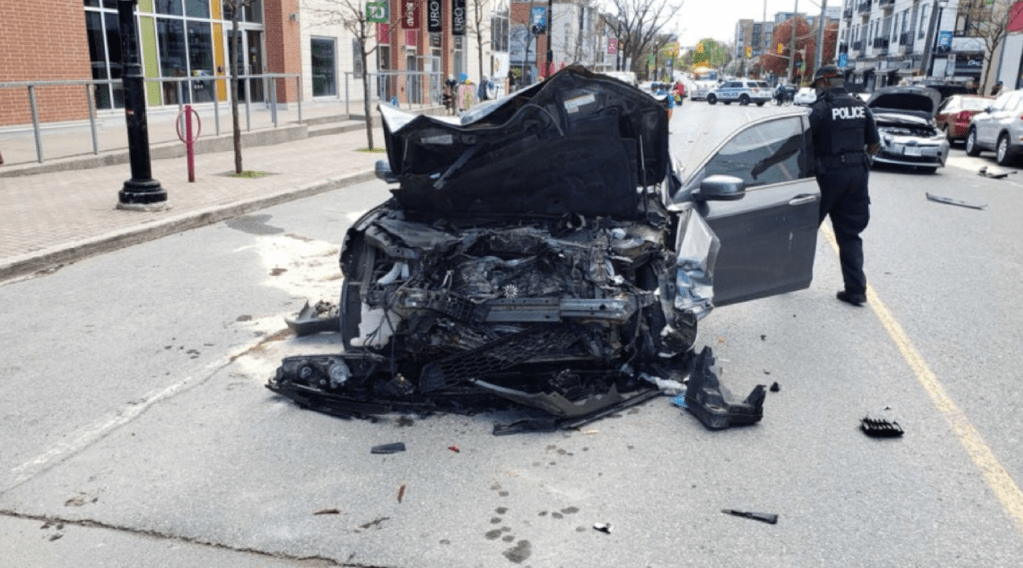
Imagine if a single workplace killed an average of 27 people every year and seriously injured hundreds more, would we accept it?
Ottawa’s roads, taken together, function like a massive shared workplace. People “on the job” every day: commuters, delivery drivers, transit operators, cyclists, pedestrians, kids going to school. Yet road deaths and injuries are often reported and treated as “accidents,” not systemic failures.
What Would Happen in a Real Workplace?
In a traditional workplace: Patterns of injury lead to redesign, training, enforcement, and accountability. One death triggers a regulatory inquiry, workplace investigations, and holding management to account.
Compare this to Ottawa’s roads where:
- Repeated deaths and injuries occur at the same intersections.
- High-risk behaviours (speeding, distraction) persist;
- Leaders act with no urgency on a matter that is on the scale of a public health issue;
- There is minimal accountability.
Time on Roads As Workplace Exposure
Workplace Safety is often tracked in time worked, or exposure, per injury. Ottawa commuters spend a regular portion of their day on roads, when this time is normalized for exposure, any type of road travel is the most dangerous daily activity people do. For people who make a living on the road the exposure is even greater, which leads to more questions around health and safety, such as employee/employer responsibilities and who has regulatory authorities. Unfortunately in this workplace the greatest numbers of fatalities are drivers and their passengers due to it being the majority mode share. However the greatest risk is faced by people walking and cycling, particularly children and seniors, despite contributing the least to the dangers (we will revisit this with Hierarchy of Responsibility.)
Vision Zero: Treating Roads Like Modern Workplace Safety
As with modern workplace safety standards, Vision Zero Ottawa reframes road deaths as preventable, not inevitable. What that means in practice:
- Putting human life and safety over level of service and convenience;
- Designing roads that forgive mistakes (slower speeds, safer intersections);
- Setting safety—not traffic flow—as the top performance metric;
- Equity informed punitive action for dangerous and distracted driving behaviours (means or vehicle value based fines);
- Measuring success by lives saved, not minutes shaved off commutes.
- Language matters: “preventable crashes” vs “accidents”
Our Calls to Action
Vision Zero Ottawa asks: If Ottawa’s roads were a workplace, we wouldn’t accept 27 deaths a year?
So why do we accept it here? Now it’s your turn to take action. Volunteer with us to hold those who govern our transportation systems accountable. Join our Vision Zero Action Lab to take part in a campaign to have the city put human life and safety before all other objectives.
 Vision Zero Ottawa
Leave a comment