
[2 minute read]
city Priorities: No funding for school streets
Every weekday morning at Ottawa schools, the same scene plays out: cars lined bumper‑to‑bumper around schools, drivers jockeying for position, and families trying to thread their way through the chaos on foot or bike. It’s stressful, unsafe, and entirely predictable. And it has consequences far beyond a tense 10‑minute drop‑off window.
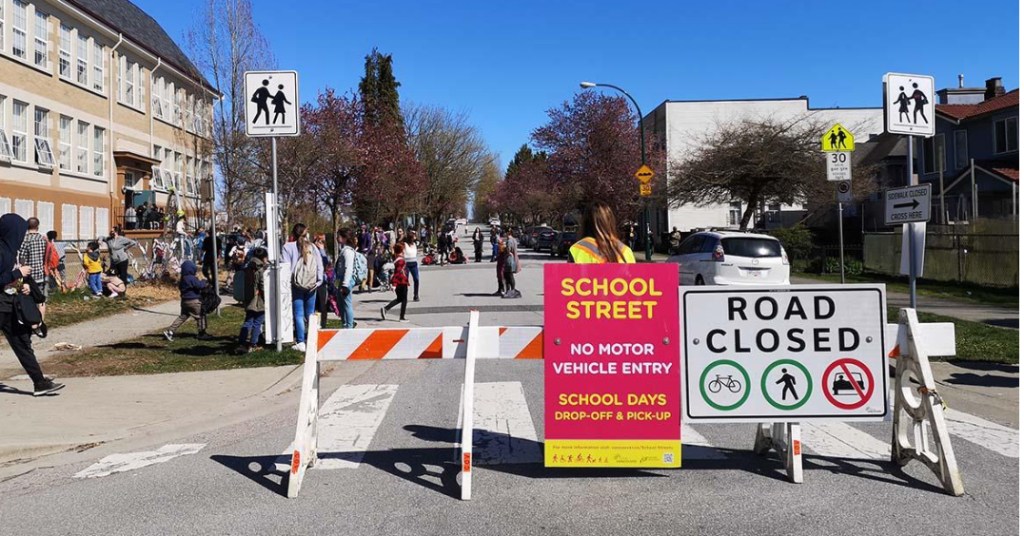
Ottawa has studied School Streets—temporary traffic‑free closures in front of schools during pick‑up and drop‑off—multiple times. The City has acknowledged their benefits. Councillors have expressed support. The Transportation Master Plan even lists School Streets as a tool for safer, more active school travel.
So why are we still stuck with the same dangerous status quo?
When Traffic Takes Over, Walking and Biking Disappear
One of the most overlooked problems is the self‑perpetuating nature of school‑zone traffic. When parents perceive the area around a school as unsafe for walking or cycling, they choose to drive. But every additional car makes the area more congested, more chaotic, and more dangerous.
This is the negative feedback loop of risk:
Cars create danger → danger discourages walking and biking → more families drive → more cars create more danger.
Breaking that cycle requires doing something different—not repeating the same old patterns of traffic management and hoping things improve.
Cities Across Canada Use School Streets – Except Ottawa
In cities across Canada, School Streets have shown that removing cars from the immediate school frontage, even for 20–30 minutes a day, transforms the experience for students and families. Kids can move freely. Parents feel safer letting them walk, bike, or roll. The school community becomes calmer and more connected.
Ottawa, however, has decided that neither City staff nor police have the resources or authority to run such a program—despite the fact that other municipalities faced the same constraints and made it work through partnerships and clear leadership.
The irony? City staff explicitly say a properly insured third party could run School Streets here. But without funding, delegated authority, or a defined pathway to operate a pilot, that possibility remains theoretical.
The Status Quo Isn’t Safe—It’s the Riskiest Option
School Streets are one tool among several community‑centered tools that prioritize a child’s journey:
- Walking school buses (adult‑led groups walking together)
- Walk‑a‑block programs (off‑site drop‑offs to reduce school‑zone traffic)
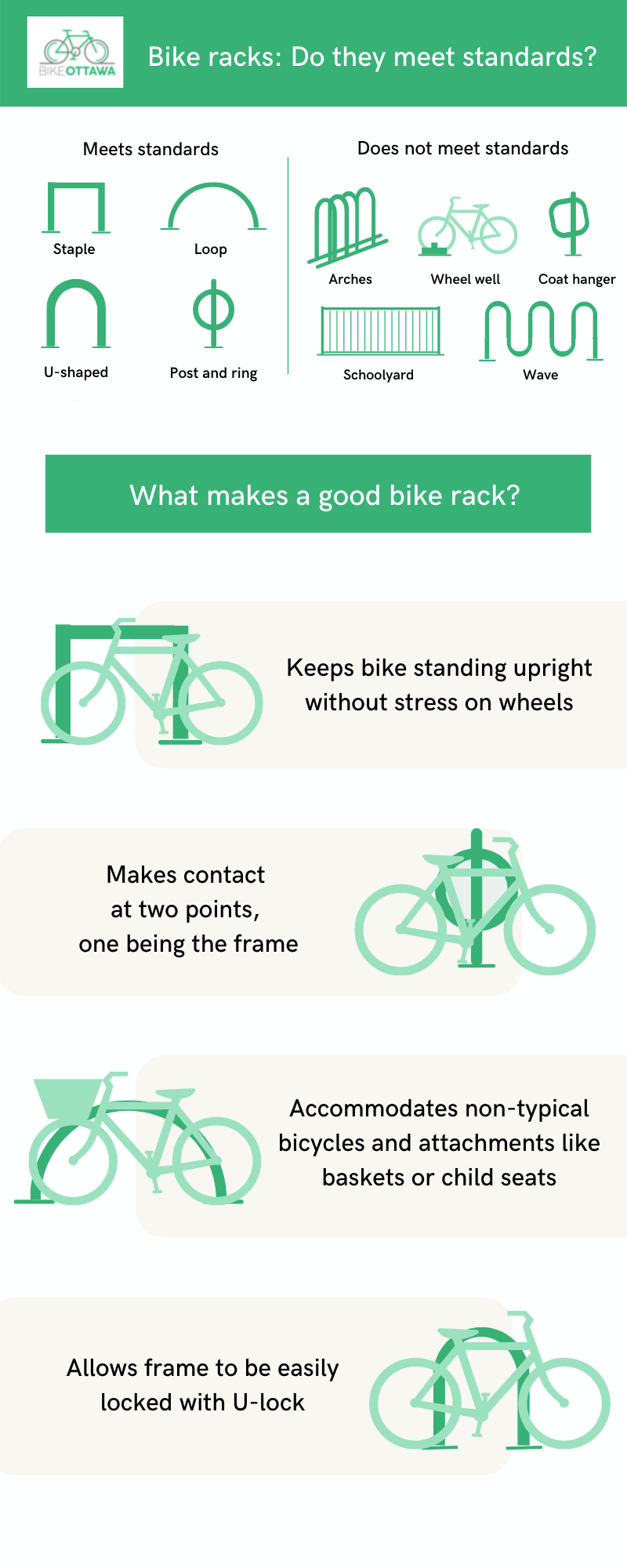
- Bike parking improvements (see Bike Ottawa on correct bike racks)
- Community-led street mural pilot projects (to make local streets near schools more pedestrian-friendly)
- Street Traffic Calming (Road Safety Action Plan projects de-funded due to ASE cancellation)
Maintaining this system is not risk management—it’s a refusal to manage risk at all.
A School Street Is Part of a vulnerable transportation Network
School Streets are one tool among several community‑centered tools that prioritize a child’s journey:
- Walking school buses (adult‑led groups walking together)
- Walk‑a‑block programs (off‑site drop‑offs to reduce school‑zone traffic)
- Bike parking improvements (see Bike Ottawa on correct bike racks)
- Community-led street mural pilot projects (to make local streets near schools more pedestrian-friendly)
- Road Safety Action Plan Traffic Calming (de-funded due to ASE cancellation)
These approaches build lifelong habits. Walking and cycling to school foster independence, daily physical activity, confidence, and a stronger connection to neighbourhoods—healthy, independent mobility for all kids.
We Don’t Need More Reports—We Need Leadership
We already have:
✔️ a completed implementation study
✔️ councillor support
✔️ a viable third‑party model
✔️ community interest
✔️ inclusion in the Transportation Master Plan
If fewer than one in five schools meet today’s criteria, then start with those. Pilot. Learn. Iterate. That’s how every successful city moves forward.
Conclusion: Put the Courage Where It Belongs
Ottawa doesn’t need more hesitation—it needs leadership to fund and authorize a School Street program, enable partners, and make the school journey safe by design. Let’s stop asking children to confront danger in the cross-walk and start asking our leaders to confront out-dated thinking.
The choice is simple: preserve the highest‑risk status quo—or build a city where walking and cycling to school is normal, safe, and proudly supported.
 Vision Zero Ottawa
Leave a comment